
Phuket Old Town: The Part of the Island Most Beach Tourists Completely Ignore
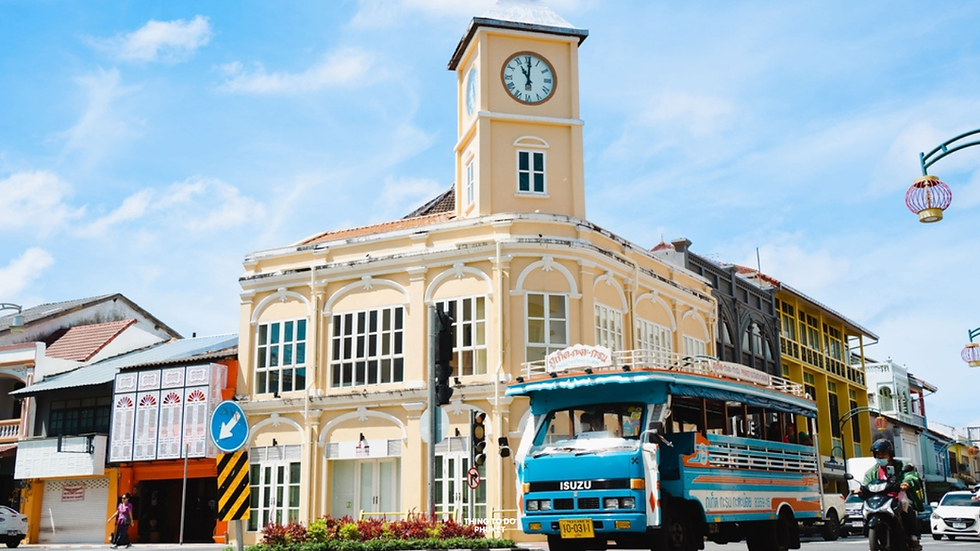
Phuket Old Town: Why Most Beach Tourists Never Make It Here
Most people who visit Phuket spend their entire trip within a few hundred metres of the beach. They check into a hotel in Patong or Kata, they eat at the restaurants nearby, they book a day trip to the islands, and they fly home having seen maybe ten percent of what the island actually is. Phuket Old Town is the part they miss almost every time, and it is genuinely one of the most interesting places in the whole of southern Thailand.
It sits about 30 to 40 minutes from the main west coast beaches, in the southeast corner of the island, and it looks like nowhere else in Asia. Rows of pastel shophouses with arched walkways and louvred wooden shutters line streets that have barely changed since the 1900s. Chinese shrines sit next to Buddhist temples. Coffee shops run by third-generation families share walls with contemporary art galleries. Street murals cover the sides of century-old buildings. The whole place moves at a completely different pace from the beach side of the island, and once you spend an afternoon there you start to wonder why you did not come sooner.
The History Behind Phuket Old Town
Phuket Old Town grew out of a tin mining boom in the 19th century that turned the island into one of the wealthiest places in Southeast Asia. The boom attracted thousands of Hokkien Chinese migrants from the Fujian province, who settled here alongside Malay, Indian, and European traders and created a cultural mix that is completely unique to Phuket. The architecture reflects exactly this history. The Sino-Portuguese style that defines Phuket Old Town combines European colonial facades with Chinese interiors, built by Chinese merchants who wanted their buildings to look impressive to their European trading partners while feeling like home on the inside.
The grand mansions that once belonged to tin barons still stand on the main streets. Some are now hotels, some are museums, some are still owned by the same families that built them generations ago. Walking through Phuket Old Town is one of those rare travel experiences where the history is genuinely visible rather than explained on a placard.
Phuket Old Town: The Streets Worth Walking
Thalang Road is the main artery and where most people start. The shophouses here are the most photogenic on the island, painted in shades of pale yellow, dusty green, and faded terracotta, with intricate tiled floors visible through open doorways. Independent coffee shops, galleries, and boutiques line both sides. On Sunday evenings Thalang Road transforms into the Lard Yai Walking Street, a market that fills the whole road with local food stalls, handmade crafts, live acoustic music, and hanging lanterns. If your trip includes a Sunday, this is the evening to spend in Phuket Old Town.

Soi Romanee is the most photographed street in the old town and was once the red light district serving Chinese tin miners. Its name translates loosely as "joyful" and hints at its colourful past. Today it is a quiet, beautifully preserved lane with some of the most intact Sino-Portuguese shophouses in the whole island. It takes about five minutes to walk from one end to the other and most people spend considerably longer.
Phang Nga Road and Dibuk Road are where you find the street murals. Local and international artists have painted large-scale works depicting Phuket's history, its fishing culture, and everyday Thai life on walls and building sides throughout the old town. Some are immediately visible from the main streets and some require turning into narrow alleys to find, which is part of what makes exploring on foot so rewarding here.
What to See in Phuket Old Town

The Thai Hua Museum on Krabi Road is the best place to understand the history of the old town before you walk its streets. The museum is housed in a beautifully restored Sino-Portuguese building that was originally a Chinese school, and its exhibitions cover the tin mining era, the Hokkien Chinese migration, and the cultural blending that created the unique Peranakan community of Phuket. Entry is 200 baht and it is worth every baht, especially if you visit early in your trip.
Baan Chinpracha, also on Krabi Road, is one of the finest Peranakan heritage mansions on the island and one of the few open to the public. It is still owned and lived in by the same family that built it in the 19th century, which makes it something genuinely rare in a world where most historic homes have become hotels or been demolished. The original European floor tiles, antique furniture, and central air well are all intact. A small entry fee applies and modest dress is appreciated.
The Shrine of the Serene Light sits down a narrow passage off Phang Nga Road and is one of those places that feels like a discovery even though it has been there for over a century. It is a small Chinese shrine decorated with intricate detail and it is genuinely beautiful in the early morning when the light comes through the entrance passage and the incense smoke hangs in the air. The Jui Tui Shrine near Ranong Road is older still and one of the most important Chinese shrines in southern Thailand, most famous as the home base of the annual Phuket Vegetarian Festival which takes place every October.
The Best Time to Visit Phuket Old Town
Early morning is the best time for photography when the light is good, the streets are quiet, and the temperature is manageable. Late afternoon into evening is the best time for eating and wandering, when the heat has dropped and the old town comes to life with locals finishing their day. Midday in Phuket Old Town during the dry season is genuinely hot and the narrow streets offer little shade, so plan your timing around the cooler parts of the day.
Sunday evening is in a category of its own because of the Lard Yai Walking Street market. If you are in Phuket on a Sunday and you do not make it to the market on Thalang Road you are missing one of the best free experiences the island has to offer. The market runs from 4pm to 10pm and the food alone is worth the trip from whatever beach you are staying at.
Phuket Old Town and Your Island Tour Plan
The most satisfying Phuket trips are the ones that mix the two completely different sides of the island. A morning at Phuket Old Town followed by a boat tour the next day covers more of what the island genuinely is than spending every day on the same stretch of beach. Our James Bond Island Day Tour By Big Boat and Phi Phi and Khai Island by Speed Boat both depart in the morning and return in the late afternoon, which leaves evenings free for exactly the kind of slow wandering through Phuket Old Town that this part of the island rewards. Visit thingtodophuket.com to book your island tours and build the kind of Phuket trip that most beach tourists never quite manage to have.


Comments